
What Is Bacillus thuringiensis? A Natural Solution Against Bagworms in Oil Palm
Home » Technical Sharing » What Is Bacillus thuringiensis? A Natural Solution Against Bagworms in Oil Palm
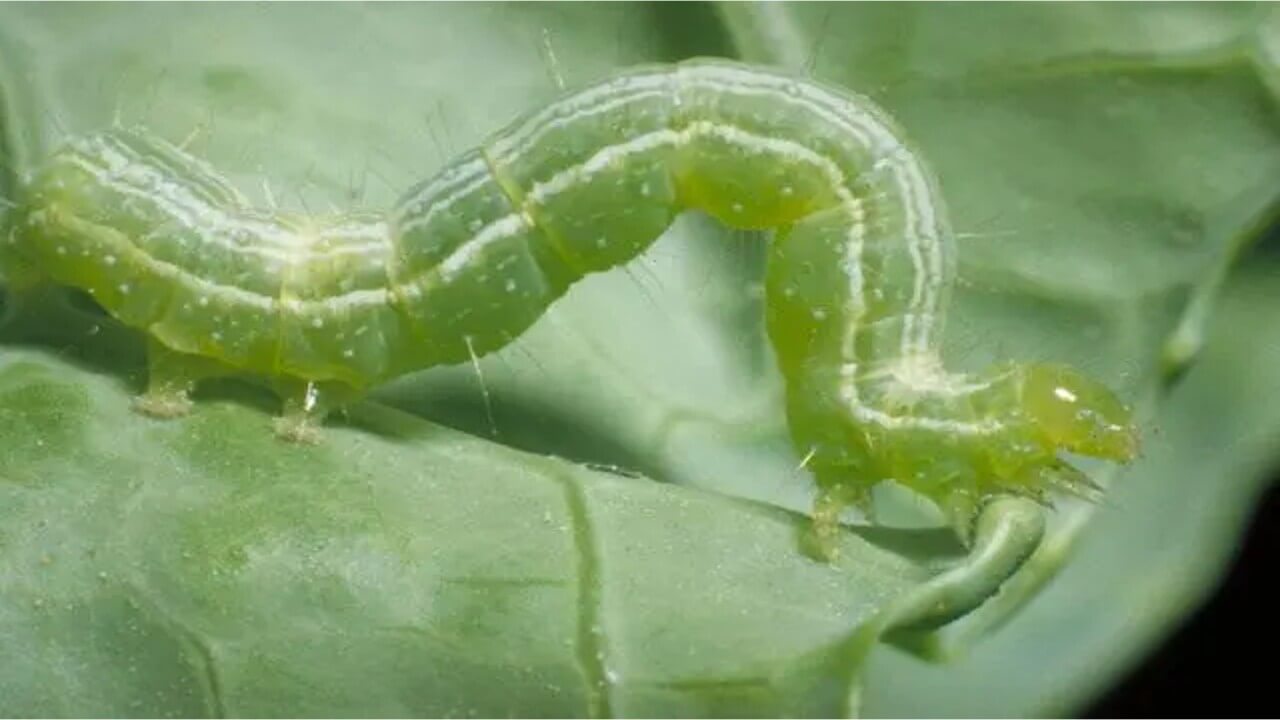
Bacillus thuringiensis (Bt) is a spore-forming bacterium that occurs naturally in soil. It is best known for producing special proteins called Cry proteins, which are toxic to certain insect pests when eaten. In simple terms, these proteins act as a kind of stomach poison for specific insects, helping to control them without broadly harming other living things. INO Nature has partnered with Universiti Tunku Abdul Rahman (UTAR) on two researches into beneficial bacteria for oil palm, focusing on Bt strains C18 and C34 isolated from the oil palm phyllosphere. This collaboration aims to explore how Bt can support both pest control and plant growth, enhancing oil palm resilience and crop performance.
For over 60 years, Bt-based products have been a widely used and environmentally friendly biological control agent, particularly effective against specific insect pests. In the oil palm industry, Bt is especially relevant for controlling bagworms, such as Metisa plana, which can cause significant damage and reduce yields. Bacillus thuringiensis MPOB Bt1 has been used as a biological control agent against bagworm larvae In Malaysia, with studies showing that it can achieve over 77% larval mortality within seven days after application at a rate of 500 g/ha. This makes Bt an effective and sustainable solution for managing bagworm infestations in oil palm plantations.
Why Is Bacillus thuringiensis Important in Agriculture?
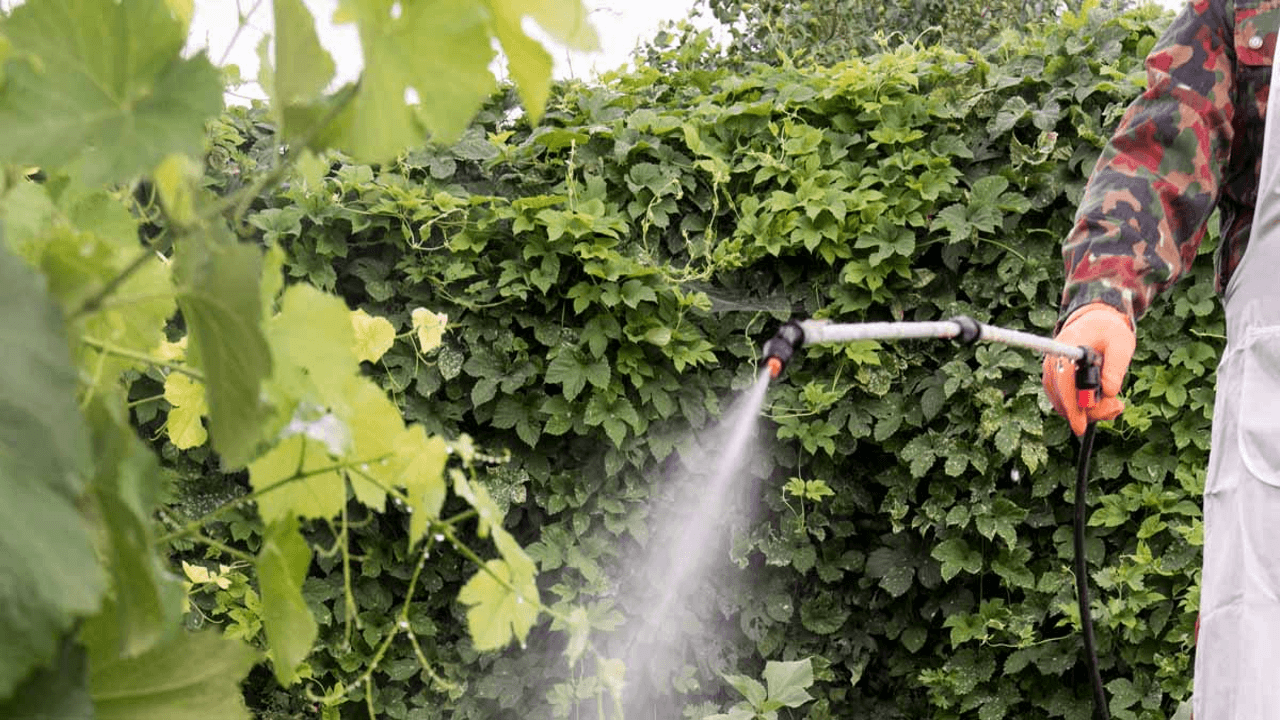
The overuse of chemical pesticides has caused problems like pesticide build-up, harm to helpful insects, and environmental pollution. Bacillus thuringiensis (Bt) offers a safer, more environmentally friendly alternative. Bt-based biopesticides are targeted, break down quickly, and are easy to produce at low cost. They are effective against many pests and are compatible with sustainable farming, making them widely trusted and used in biological pest management.
What makes Bt even more valuable is that it not only controls pests but also helps plants grow. Studies show that Bt can suppress harmful larvae while supporting plant health and yield, without disrupting other beneficial microbes. Bt’s targeted action means it doesn’t harm helpful insects or other organisms, making it a safer option compared to broad-spectrum chemical pesticides. This selectivity, along with its potential as a biofertiliser, highlights Bt’s role in promoting healthier, more sustainable farming practices.
What Are the Benefits of Bacillus thuringiensis?
Bacillus thuringiensis offers many benefits that make it a preferred choice for sustainable pest control in agriculture, horticulture, and even residential use. These advantages help explain why Bt has become an important part of integrated pest management strategies around the world.
Bacillus thuringiensis is a natural, biodegradable pest control option that breaks down in the environment, without harming soil, water, or plants. Unlike synthetic pesticides, it specifically targets harmful pests while leaving beneficial insects like bees and ladybugs unharmed. This makes Bt a safe, eco-friendly choice that supports biodiversity and ecosystem balance.
Bt-based products pose less environmental risk than many other conventional pesticides. They are biodegradable, target only specific pests, and are safer for both the environment and farm workers. However, like all pest control tools, Bt should still be used responsibly to manage resistance and protect non-target organisms.
Bt is also important because it works effectively within broader sustainable farming practices. Research shows that Bt technologies are compatible with both conventional and organic methods. It plays a key role in integrated pest management, reducing reliance on chemical pesticides, and has been successfully used in spray formulations and transgenic crop protection across various farming systems.
Some Bt strains may support plant growth by acting as beneficial microbes that promote development or help plants fight diseases. Research has shown that certain Bt strains can also form positive relationships with plants, offering more benefits beyond just pest control. However, these effects depend on the specific strain and are not true for all Bt products.
How Does Bacillus thuringiensis Support Oil Palm?
Bacillus thuringiensis MPOB Bt1 is a biological control agent used to suppress bagworm larvae in Malaysian oil palm plantations. Bagworms can cause up to 50% defoliation, leading to significant yield loss. Bt is effective against other pests as well, like Euprosterna elaeasa and Oryctes rhinoceros, and has shown promise as an alternative to harmful chemical insecticides. In laboratory tests, Bt has caused up to 70% mortality in larvae and has been proven effective in reducing pest populations in oil palm fields.
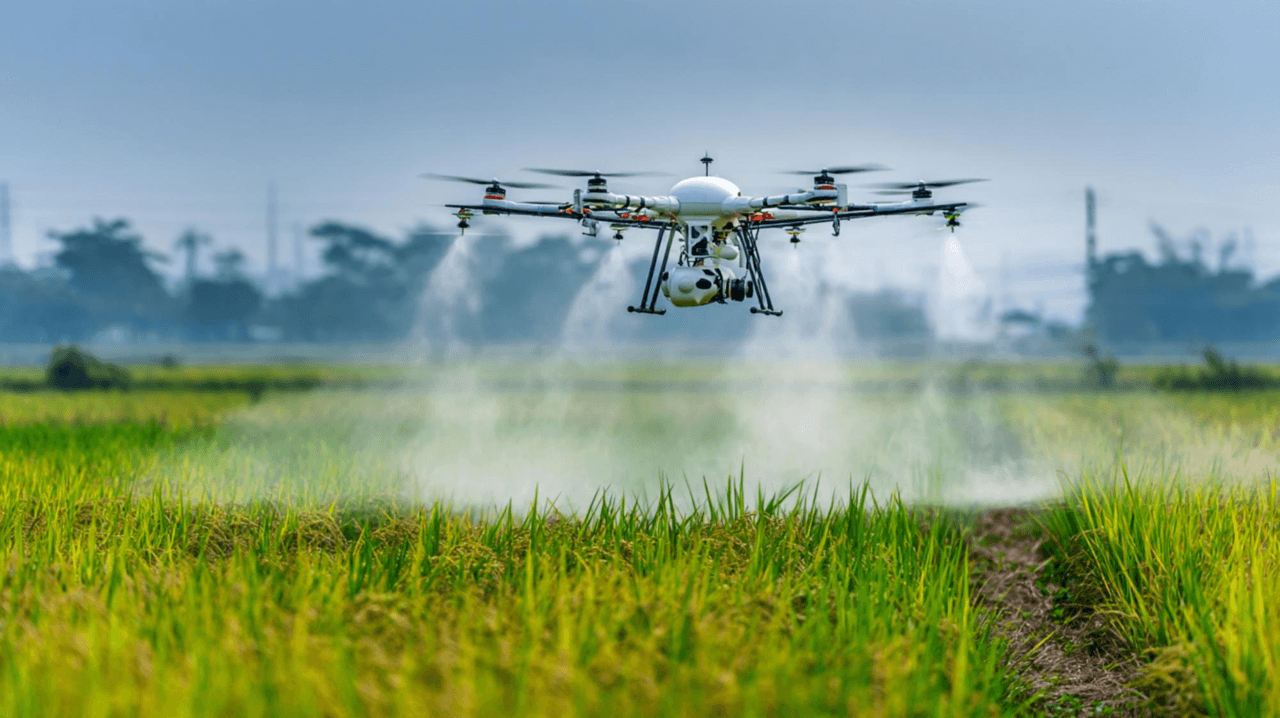
In Malaysia, the Integrated Pest Management (IPM) approach for bagworms includes aerial spraying of Bt, along with the use of natural pheromone traps and beneficial plants. Studies show that spraying Bt reduced bagworm populations by 50% within 30 days and helped keep the population below the threshold of five bagworms per frond. Field applications using a turbo mist blower showed great results, providing better control than other commercial products, and lab tests showed 100% mortality of larvae after just three days, proving that Bt is a safe and effective biopesticide for managing bagworms and other pests in oil palm plantations.
INO Nature's Innovative Oil Palm Fertiliser Solutions
INO Nature’s approach to oil palm fertiliser is guided by the principle of Fair Trade for Living Soil, which reflects its commitment to soil health, sustainability, and long-term agricultural value. This philosophy views soil as a living system that supports plant growth, microbial activity, and overall field performance. Healthy soil is especially crucial in oil palm cultivation, as it helps build stronger palms, improves nutrient uptake, and creates more resilient plantation systems over time. INO Nature’s Bio-Palm Series, which includes Bio-Palm B and Bio-Palm R, support these goals. Bio-Palm B promotes flowering and supports the nutrition needed for oil palm trees during flowering and fruiting, boosting fertilisation rates. Whereas, Bio-Palm R provides essential nutrients during the fruiting stage, helping to promote fruit growth and enhance overall productivity.
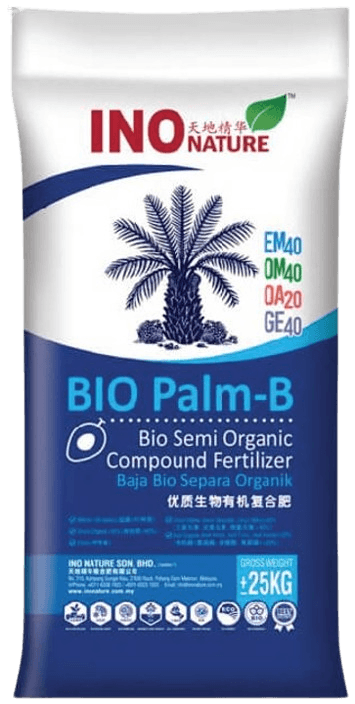
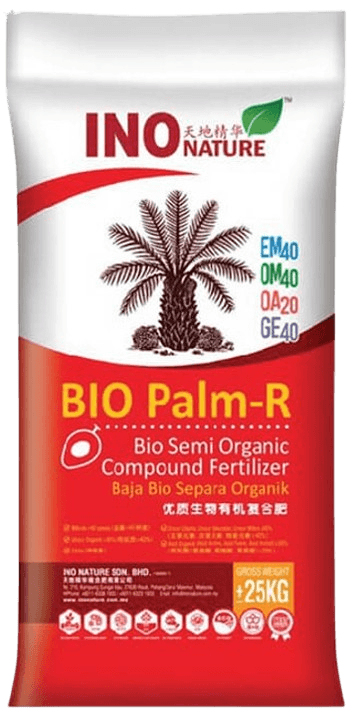
By emphasising living soil and including beneficial microbes such as Bacillus thuringiensis, INO Nature’s fertiliser solutions take a science-based approach that works with natural biological processes. This philosophy goes beyond short-term crop response to build a healthier growing environment that ensures long-term productivity. INO Nature’s fertiliser solutions align with its broader agricultural values, focusing on soil vitality, responsible development, and a more sustainable balance between crop performance and environmental responsibility.
Advancing Research Through Industry-Academic Collaboration

INO Nature’s collaboration with Universiti Tunku Abdul Rahman (UTAR) shows how industry and academics can work together to strengthen agricultural innovation. Through UTAR’s research, scientists have been studying Bacillus thuringiensis strains found on oil palm plants to better understand how they may help in both pest control and plant support. In a 2025 study, UTAR researchers reported on Bacillus thuringiensis strain C18, which was isolated from the oil palm phyllosphere, or the surface of the plant. The study found that this strain carried an insecticidal gene, antimicrobial-related biosynthetic clusters, and plant growth-promoting genes, suggesting that it may have value in both biocontrol and plant growth support.
This research was further expanded in a 2026 paper on Bacillus thuringiensis strain C34, also reported by UTAR researchers as an isolate from the oil palm phyllosphere. The study showed that C34 formed parasporal crystals and displayed several plant growth-promoting traits, including phosphate and potassium solubilisation, indole-3-acetic acid production, nitrogen fixation, ammonia release, and siderophore secretion. Its genome also supported its potential as a multifunctional bioinoculant, meaning it may help with both insect control and plant growth promotion. Taken together, these studies show how academic research can deepen scientific understanding of beneficial microbes in oil palm and support the development of more targeted, evidence-based agricultural solutions.
The Future of Beneficial Bacteria in Oil Palm Agriculture
As the oil palm industry continues to move towards more sustainable and science-based practices, beneficial bacteria are expected to play an increasingly important role in crop management. Rather than relying only on conventional inputs, future agricultural strategies are likely to place greater emphasis on biological solutions that support plant health, improve nutrient efficiency, and contribute to a healthier soil environment. In oil palm cultivation, this is especially significant because long-term productivity depends not only on immediate yield, but also on the strength of the planting system, the condition of the soil, and the ability of palms to perform well under changing field conditions.
In this context, beneficial bacteria such as Bacillus thuringiensis represent an important area of agricultural innovation. Their potential value extends beyond pest control, opening up wider possibilities in supporting more balanced and resilient oil palm cultivation. This is where INO Nature’s approach becomes increasingly relevant. Guided by its principle of Fair Trade for Living Soil, INO Nature’s focus on integrating beneficial microbial elements into oil palm fertiliser solutions reflects a forward-looking view of agriculture — one that prioritises soil vitality, responsible product development, and long-term sustainability. As research in this field continues to grow, beneficial bacteria are likely to become an even more meaningful part of how oil palm nutrition and crop support are approached in the years ahead.